
This is Cancun Beaches’ Most Threatening Hazard You Should Be Aware Of
Cancun is the jewel of the Mexican Caribbean, attracting millions with its turquoise waters, powdery white sands, and vibrant nightlife. However, amidst the paradise lies a hazard often underestimated by many visitors: strong undercurrents.
I have lived in Cancun for 15 years, and I have seen and read about a lot of sad news of people drowning because of carelessness or for underestimating the natural danger.
Recently, we read the unfortunate, sad news that five people drowned in Cancun Beach during the past Christmas vacation. These unfortunate situations can be prevented if we stay informed and respect the warning flags and the beach guards’ recommendations.
In this article, I will share some important safety tips about the dangers that can lie behind the spectacular Cancun Beaches and what are the most swimmable, danger-free ones.

Cancun Key Info
WHEN TO VISIT
December through May is best for the weather, and May through November is more affordable.
HOW TO GET THERE
Fly to Cancun International Airport CUN
HOW TO GET AROUND
Renting a car is the best way to move around Cancun and explore its surroundings! Use Discover Cars to book your rental. Public transport is available, but not as convenient.
IDEAL TRIP LENGTH
3-6 days – more if you go on a road trip.
PLACES TO VISIT
Cancun Beach
Isla Mujeres
Playa del Carmen
Cenotes
Mayan Ruins
Tulum
Valladolid
Coba
MUST-DO ACTIVITIES
BEST BEACHES
- Playa Delfines
- Playa Langosta
- Playa Chac Mool
- Playa Marlyn
RESTAURANTS
Marbella
Socio Naiz Taqueria
El Pocito
Thai
MY TOP 3 HOTEL PICKS
The Hidden Danger of Cancun Beaches: Strong Undercurrents
Understanding Undercurrents
Undercurrents, or rip currents, are powerful, narrow channels of water flowing away from the beach, cutting through waves like a river. They are not visible from the surface of the beach, making them the ocean’s deceptive and dangerous hazard. Rip currents can quickly pull even the strongest swimmers out to deeper waters, posing a significant risk to unaware beachgoers.
Why Cancun’s Beaches Are Affected
Cancun’s geographical layout and the surrounding coral reefs contribute to the formation of these strong undercurrents. The interaction between the incoming waves and the reef structures can create conditions ripe for rip currents, particularly in areas where the beach suddenly deepens.
IT HAPPENED TO ME TOO – I have to admit I have been the victim of the rip tide in Cancun. And this is why I really want you to read this post before hitting the beach yourself. When I first arrived in Cancun, I didn’t know about rip currents, and I went swimming on Cancun beach like anybody else. The sea was calm, and it didn’t look hazardous, plus I consider myself a good swimmer. Well, I suddenly realized I couldn’t get to shore; the more I swam, the more I was pushed away. I panicked and raised my hand. Luckily, the beach guard was there and rescued me, but also scolded me for being so reckless. I received a great lesson. When I told him I knew how to swim, but I couldn’t get to shore, he explained what I am sharing in this guide. I hope you will read it through the end.
Safety Tips: How to Avoid and Escape Rip Currents in Cancun
1. Stay Informed
Before heading to the beach, check local weather and rip current forecasts. Many beaches in Cancun display warning flags: a red flag indicates great danger, while a yellow flag suggests moderate conditions.
It’s adamant that you respect the signs and avoid getting in the water when a red flag is up, and swim close to shore when a yellow flag is up.
Also, you should be aware of your swimming skills and ability to respond to hazardous situations. Don’t underestimate the power of the ocean.
Just a few days after writing this post, I read about a tourist who went into the water on a paddleboard and had to call for help when the current pushed her out into the open sea after she ventured beyond the safety cords.
Luckily, she was on a paddleboard and had a phone with her to call 911, but they had to send out the helicopter to find her. It could easily have been avoided.
2. Recognize the Signs and respect them
This video will help you understand better what a rip current is. And in doubt, stay away from the water!
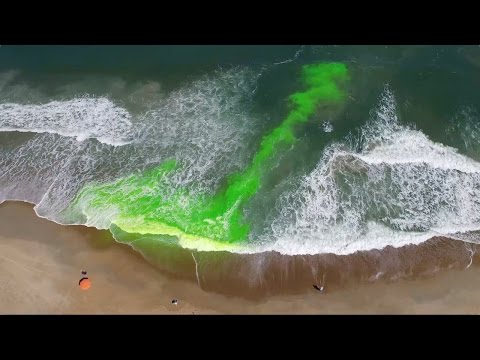
Learn to identify potential rip currents by looking for differences in water color, waves breaking unevenly, or patches of foam moving seaward.
3. Swim Near Lifeguards
Always choose spots where lifeguards are present. They are trained to spot rip currents and can quickly assist if you find yourself in trouble. There are many beach guards all along Cancun Beaches, both in the proximity of hotels and near public beaches such as Playa Delfines, or Playa Chac Mool.
4. Don’t Fight the Current
If caught in a rip current, remain calm and save energy. Don’t try to swim directly back to shore against the current; it can quickly exhaust you. Instead, to escape the rip current, swim parallel to the shoreline until you’re out of the current’s grip. Once free, angle yourself towards the beach.

5. Float and Signal for Help
If you can’t swim out, float on your back and wave your arms for assistance. Conserving energy is crucial.
Cancun Beaches’ Most Dangerous Hazard: FREQUENTLY ASKED QUESTIONS
Are all beaches in Cancun dangerous?
Not all beaches have strong undercurrents, but it’s essential to stay informed and heed local warnings. All the beaches before Punta Cancun are mostly swimmable with shallow and calm waters. These include Playa Langosta, Playa Las Perlas, and Playa Caracol and Playa Tortugas.
Those are the safest beaches with very low and unhazardous currents. You still need to pay attention to the beach signals and beach guards’ warnings. You can read about all the Cancun Beaches in my dedicated article.
What should I do if someone else is caught in a rip current?
Alert a lifeguard or call for emergency assistance. Don’t attempt a rescue yourself unless you’re trained, as it could put both of you in danger.
Can children swim safely in Cancun’s waters?
Yes, but it’s important to always supervise children closely, even in shallow water, and to choose beaches that are renowned for being more kid-friendly, with shallow, calm water and a lifeguard presence.

Conclusion: Is Cancun Beach Dangerous?
Cancun beach is not dangerous if you know how to respect the sea conditions and the lifeguards´ instructions. Cancun’s beaches are a paradise that promises relaxation and adventure.
Yet, the beauty of these coastal treasures comes with the responsibility of recognizing and respecting the power of nature, particularly the danger posed by rip currents.
By staying informed, vigilant, and prepared, you can ensure that your experience in Cancun remains safe and enjoyable. Let the beauty of Cancun’s shores be a reminder of nature’s dual aspect: serene yet powerful, inviting yet demanding respect.
It’s a poignant reminder that while we vigilantly guard against external threats, we must also proactively ensure our own safety by staying informed, vigilant, and prepared.
By adopting a mindset of personal responsibility towards safety, we can ensure that our experience in Cancun remains not only safe but also deeply rewarding.
Enjoy Cancun’s breathtaking beaches with awareness and care, and take home memories of sun-filled days and clear blue waters, safe in the knowledge that you navigated its hidden hazards with respect and wisdom.


